
Quick Snapshot
- Embracing the Timeless English Charm
- Navigating the Lakes: From Tranquil Retreats to Bustling Hubs
- Ullswater: A Quiet Majesty
- Windermere: The Heart of Popularity
- Derwentwater: A Picturesque Alternative
- Panoramic Vistas and Upland Journeys
- Essential Travel Tips for Your Lake District Adventure
- Beyond the Mainstay: Discovering Local Gems
- Bonus: Video
- Frequently Asked Questions
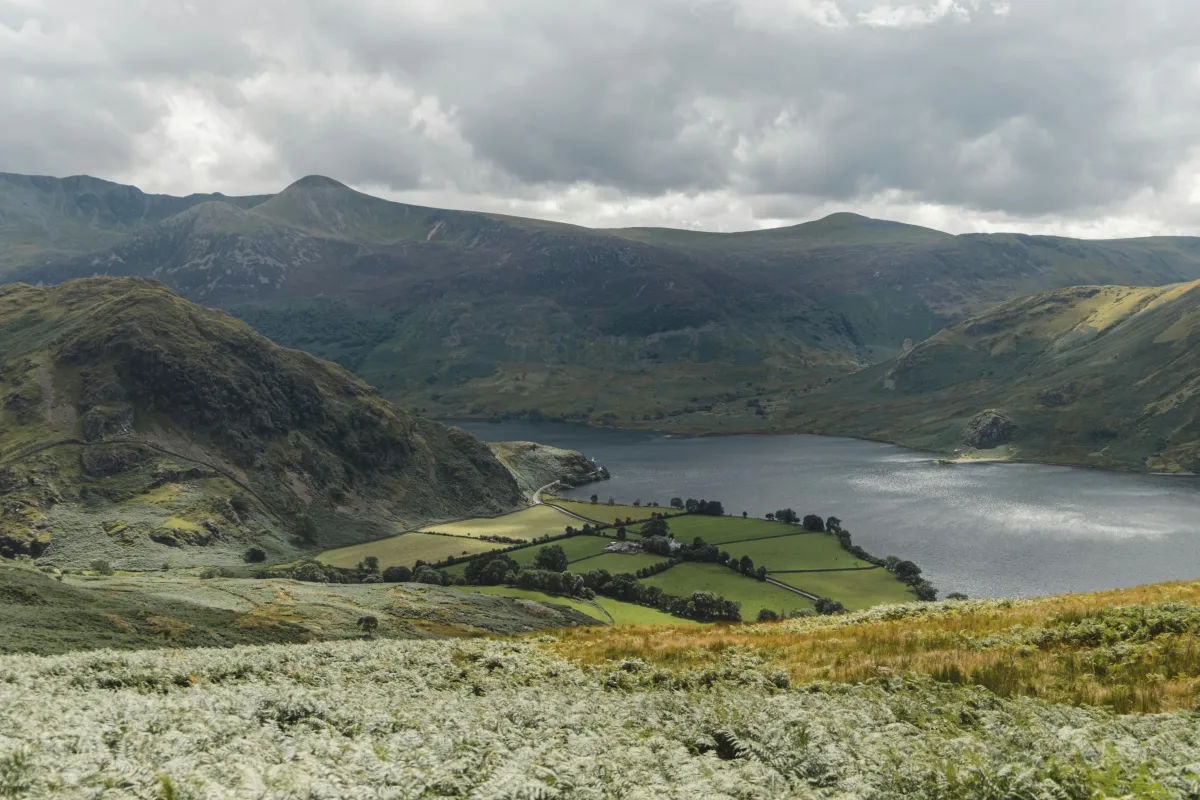
Nestled in Cumbria on England's picturesque northwest coast, the Lake District stands as a testament to nature's enduring artistry. This magnificent national park, renowned for its dramatic fells, serene waters, and charming villages, offers a profound escape into a landscape shaped by millennia of geological forces. Located approximately an hour south of the Scottish border, it represents a quintessential English rural idyll, drawing visitors with its unique blend of rugged adventure and tranquil beauty. The region’s distinctive U-shaped valleys, now filled with shimmering lakes, are a direct legacy of the last Ice Age, creating a topography that is as scientifically fascinating as it is visually stunning.
Embracing the Timeless English Charm
Beyond its majestic natural features, the Lake District captivates with an intrinsic "English country" charm that feels almost suspended in time. Ancient dry-stone walls crisscross vast fields where countless sheep graze, while rolling green hills extend endlessly in every direction. Dotted across this verdant canvas are tiny stone cottages, many meticulously maintained over centuries, giving the impression of a landscape preserved from the 1700s. This enduring aesthetic is not merely for show; it is a living heritage, reflecting generations of inhabitants who have cherished and maintained their homes and surroundings. The result is an area that exudes a profound sense of history and authenticity, offering a rare glimpse into a bygone era of rural England.
Navigating the Lakes: From Tranquil Retreats to Bustling Hubs
The Lake District is home to numerous bodies of water, each possessing its own character. Exploring these diverse lakes reveals the varied experiences the region offers.
Ullswater: A Quiet Majesty
As the second-largest lake in the region, Ullswater stretches nearly 15 kilometers, yet retains an atmosphere of remarkable tranquility. Its unique Z-shape is framed by rugged mountains and gentle hills, making it a highly photogenic destination that has attracted holidaymakers since the late 19th century. The surrounding area is rich with hiking trails and traditional sheep farms, evoking comparisons to the dramatic landscapes of New Zealand's fiords, albeit without the ice. At its northern tip, Pooley Bridge village offers a charming entry point, known for its quaint stone bridge and the shallow river that invites playful exploration even on cooler days.
Windermere: The Heart of Popularity
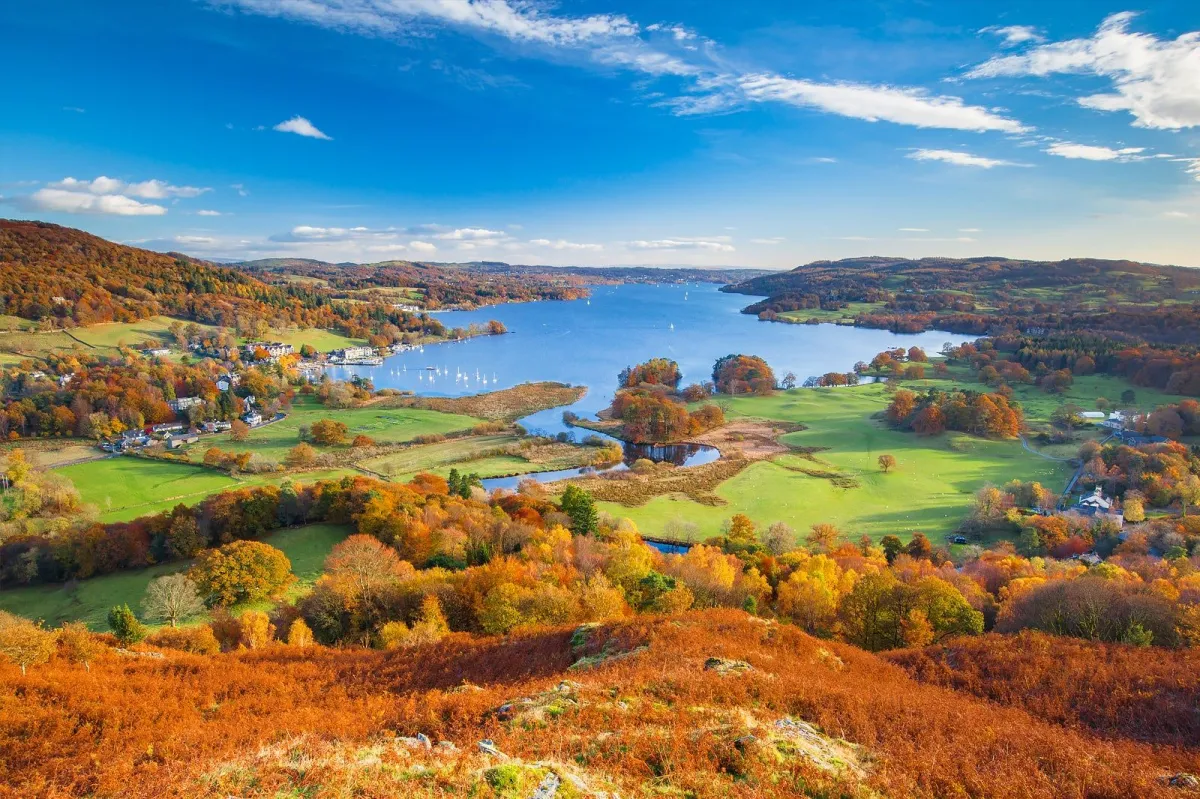
Further south lies Windermere, the largest natural lake in England. Spanning approximately 18 kilometers in length and home to 18 islands, its popularity surged in the mid-19th century with the advent of new railway lines. This accessibility transformed Windermere into a bustling hub, a trend that continues today. The lake is notably busier than its northern counterparts, especially around its southern shores, reflecting its status as a major tourist destination. The area also boasts significant cultural heritage, including the former home of Beatrix Potter, the beloved author of the Peter Rabbit books. While offering extensive amenities and attractions, visitors seeking solitude might find the northern lakes more appealing.
Derwentwater: A Picturesque Alternative
For those seeking a blend of accessibility and natural beauty without the intense crowds of Windermere, Derwentwater near Keswick offers a splendid alternative. This picturesque lake, surrounded by woodlands and fells, is often considered one of the most beautiful in the district. Its numerous small islands and a range of watersports options make it a vibrant yet manageable destination, providing a fantastic base for exploring the central fells.
Panoramic Vistas and Upland Journeys
The true grandeur of the Lake District often unfolds on its scenic mountain passes. Driving through these elevated routes provides breathtaking panoramic views that capture the scale and beauty of the landscape. Kirkstone Pass, standing at 454 meters (1,490 feet), is a prime example. This historic route, whose name derives from Old Norse for "church stone" due to a rock resembling a church steeple, offers stunning vistas across the entire region, including glimpses of several lakes. Along the pass, visitors can discover trickling streams, natural swimming holes, and a historic inn that houses one of the country's highest pubs. Crossing such passes often marks a distinct transition, leading from the wild, sparsely populated uplands into the more developed southern valleys, where towns and traffic become more prevalent.
You Might Also Like
Essential Travel Tips for Your Lake District Adventure
Planning your visit effectively ensures you make the most of this magnificent region. Consideration of your travel style and preferences will shape your ideal journey.
- Self-Guided Discovery by Car: For unparalleled freedom and flexibility in exploring the vast and sometimes remote areas of the Lake District, renting a car is highly recommended. Public transportation can be limited in certain areas, making a vehicle essential for reaching hidden gems and less-trafficked viewpoints.
- Efficient Rail Connections: For those traveling from major UK cities, train services offer a swift and comfortable journey. Direct routes from London typically take between 4 to 6 hours, while connections from northern cities like Manchester or Glasgow are considerably shorter. While tickets can vary significantly in price, booking in advance often secures better fares.
- Budget-Friendly Coach Travel: National coach services provide an economical option for reaching the Lake District, particularly from London. Though the journey can be longer, often around 10 hours, it presents a cost-effective alternative for travelers mindful of their budget.
Beyond the Mainstay: Discovering Local Gems
While the major lakes draw significant attention, the Lake District's charm extends to numerous smaller experiences that offer deeper insights into its culture and natural beauty.
- Explore Historic Market Towns: Venture into charming towns such as Keswick, Ambleside, or Grasmere. These hubs offer independent shops, local eateries, and a chance to experience the vibrant community life that underpins the region.
- Embark on a Scenic Lake Cruise: Many of the larger lakes, including Ullswater and Windermere, offer traditional steamboat or modern boat cruises. These provide a unique perspective of the surrounding fells and offer a relaxing way to absorb the tranquil atmosphere.
- Visit a Traditional Cumbrian Farm: Engage with the region's agricultural heritage by visiting one of the many working farms or local artisan food producers. This offers a glimpse into the traditional way of life and the source of Cumbria's renowned produce.
The Lake District truly embodies a quintessential English experience, blending breathtaking natural beauty with a rich cultural tapestry. Whether you seek the thrill of a mountain hike, the peace of a quiet lake, or the charm of a historic village, this remarkable region offers an unforgettable journey into the heart of England's treasured landscapes.
Bonus: Video
Frequently Asked Questions
What is the Lake District known for?
The Lake District is renowned for its dramatic fells, serene waters, and charming villages, set within a landscape shaped by millennia of geological forces and the last Ice Age. It is also celebrated for its intrinsic "English country" charm, featuring ancient dry-stone walls and tiny stone cottages that evoke a bygone era of rural England.
Where is the Lake District located?
The Lake District is a magnificent national park nestled in Cumbria on England's picturesque northwest coast. It is located approximately an hour south of the Scottish border.
What are some of the notable lakes in the Lake District?
The region is home to several distinct lakes: Ullswater is the tranquil, second-largest lake with a unique Z-shape; Windermere is England's largest natural lake and a bustling, popular tourist destination; and Derwentwater near Keswick offers a picturesque blend of accessibility and natural beauty with fewer crowds than Windermere.
How do Ullswater and Windermere differ in visitor experience?
Ullswater offers a remarkably tranquil atmosphere, ideal for quiet exploration and hiking, framed by rugged mountains. Windermere, being the largest and most accessible, is a bustling hub, especially around its southern shores, offering extensive amenities and cultural heritage like Beatrix Potter's former home, but it is significantly busier.
Are there scenic mountain passes in the Lake District?
Yes, the Lake District features scenic mountain passes that provide breathtaking panoramic views. Kirkstone Pass, for example, stands at 454 meters (1,490 feet) and offers stunning vistas across the region, along with trickling streams, natural swimming holes, and a historic inn.