
- 1. Prioritizing UV Protection and Marine Safety
- 2. Navigating the Seasonal Inversion
- 3. Electrical Standards and Voltage Awareness
- 4. Coexisting with Unique Wildlife
- 5. The Cultural Magnetism of Melbourne
- 6. Mastering the Open Road
- 7. Understanding the No-Tip Culture
- 8. Venturing to the Island State of Tasmania
- 9. Connectivity and Local Etiquette
Australia is a land of vast contrasts, where cosmopolitan cities meet rugged wilderness and ancient landscapes. For those planning their inaugural trip in 2026, understanding the local nuances is key to a seamless and respectful experience. This continent-sized nation offers everything from tropical rainforests to arid deserts, requiring a bit of specialized knowledge before you touch down.
Whether you are drawn by the allure of the Great Barrier Reef or the coffee-soaked laneways of the southern cities, preparation is paramount. Navigating the "Land Down Under" involves more than just booking a flight; it requires an awareness of environmental safety, cultural etiquette, and logistical standards. Here are nine essential insights to help you master your first Australian adventure.
1. Prioritizing UV Protection and Marine Safety
The Australian sun is notoriously intense due to specific atmospheric conditions in the Southern Hemisphere. Visitors often underestimate how quickly sunburn can occur, even on overcast days. It is vital to adopt the local "Slip, Slop, Slap" mantra: slip on a shirt, slop on SPF 50+ sunscreen, and slap on a wide-brimmed hat.
Environmental responsibility has become a cornerstone of Australian tourism in 2026. When visiting coastal regions, travelers are strongly encouraged to use reef-safe, mineral-based sunscreens. Traditional chemical blockers can cause significant damage to delicate coral ecosystems, particularly in high-traffic areas like the Whitsundays.
2. Navigating the Seasonal Inversion
For travelers arriving from the Northern Hemisphere, the seasonal calendar is completely reversed. Summer officially begins in December and lasts through February, meaning Christmas is often celebrated with beach barbecues rather than snow. This inversion affects everything from packing lists to peak travel pricing.
If you are planning to visit the tropical North, such as Cairns or Darwin, be aware of the "Wet Season" occurring during the southern summer. Conversely, the "Dry Season" (winter) is the ideal time to explore the Outback and the Great Barrier Reef. Always research the specific climate of your regional destination to ensure your itinerary aligns with the weather.
3. Electrical Standards and Voltage Awareness
Australia utilizes Type I power outlets, which feature three flat pins in a triangular configuration. This is the same standard used in New Zealand and parts of China. Travelers should carry at least one high-quality universal adapter to keep their devices charged.
Voltage regulation is equally important, as Australia operates on a 230V/50Hz system. If you are traveling from a country with 110V power, such as the United States, your high-heat appliances like hair dryers may require a power converter. Using a simple plug adapter without a voltage converter can lead to permanent damage to your electronics.
4. Coexisting with Unique Wildlife
While Australia is statistically one of the safest countries to visit, its reputation for dangerous wildlife is rooted in reality. When "bushwalking"—the local term for hiking—it is essential to remain on marked trails. This minimizes the risk of disturbing snakes or spiders that inhabit the tall grass.
Coastal safety is just as important as land safety. Always swim between the red and yellow flags at patrolled beaches, as these areas are monitored for rip currents and marine life. In northern waters, be mindful of seasonal "stinger" (jellyfish) warnings and follow all local signage regarding crocodiles in estuaries.
5. The Cultural Magnetism of Melbourne
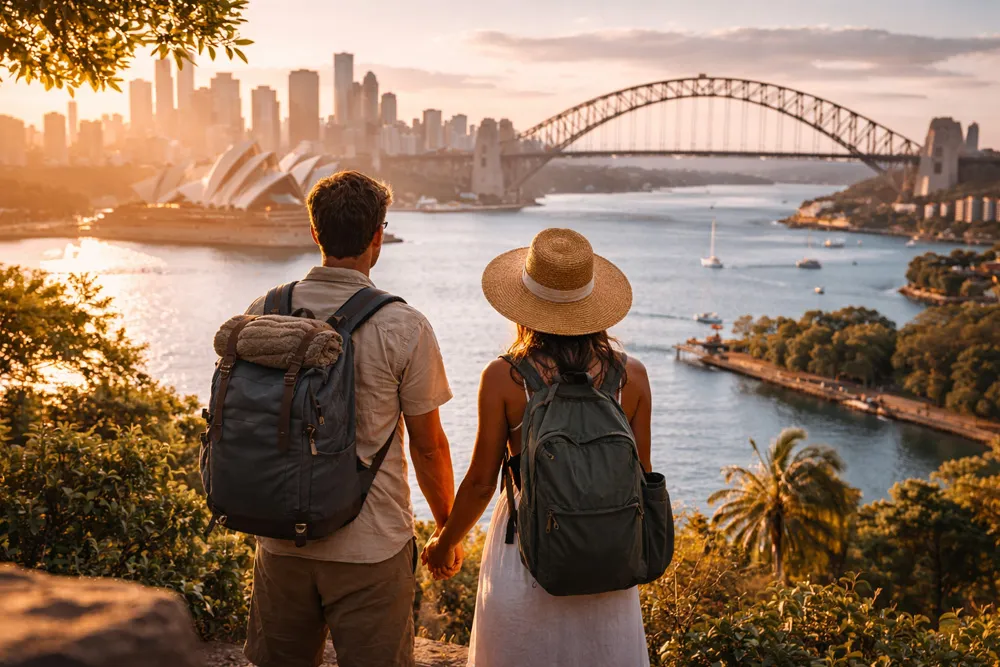
While Sydney often captures the spotlight with its iconic Opera House, Melbourne is frequently cited as the nation’s cultural and culinary heart. The city is famous for its labyrinthine laneways, which are adorned with world-class street art and hidden "speakeasy" style bars. Exploring these narrow corridors is the best way to find the city's most authentic experiences.
Melbourne’s coffee culture is a point of national pride, often regarded as the most sophisticated in the world. Beyond the caffeine, the city serves as a gateway to the arts, fashion, and major sporting events. A walking tour on your first day is highly recommended to help you navigate the grid-like city center and its eclectic suburbs.
6. Mastering the Open Road
Australia is a massive continent, and many of its best sights are only accessible by car. If you plan to rent a vehicle, remember that Australians drive on the left side of the road. By 2026, the rental market has seen a significant increase in electric vehicle (EV) options, supported by an expanded network of charging stations along major coastal routes.
A critical rule for regional driving is to avoid being on the road at dawn or dusk. These "crepuscular" hours are when native wildlife, particularly kangaroos and wombats, are most active. Collisions are common and can be devastating for both the animals and the vehicle occupants. Plan your transit to ensure you reach your destination before sunset.
7. Understanding the No-Tip Culture
One of the most refreshing aspects of Australian travel is the lack of a mandatory tipping culture. Workers in the hospitality and service industries are paid a robust minimum wage, which is significantly higher than in many other Western nations. Consequently, the price you see on a menu or a taxi meter is generally what you are expected to pay.
While tipping is not expected, it is certainly appreciated for exceptional service in high-end restaurants. However, you will never face the social pressure to tip that exists in North America. This transparent pricing makes it much easier for international visitors to manage their daily travel budgets.
8. Venturing to the Island State of Tasmania
For those with extra time, a trip to Tasmania is highly rewarding. The island state offers some of the world's most pristine wilderness and cleanest air. The capital city, Hobart, blends colonial history with a cutting-edge arts scene, anchored by the world-renowned MONA (Museum of Old and New Art).
Tasmania is also one of the best places in the world to witness the Aurora Australis, or the Southern Lights. If your visit coincides with high solar activity, the southern coast offers breathtaking views of the dancing lights. Additionally, the local food scene, centered on fresh seafood and cool-climate wines, is a highlight for any gourmet traveler.
9. Connectivity and Local Etiquette
To stay connected without exorbitant roaming charges, purchasing a local SIM card is a priority. Providers like Telstra offer the most extensive coverage if you plan to venture into rural or "Outback" areas. SIM cards are inexpensive and can be easily topped up with data plans that far exceed the value of international roaming packages.
Finally, social etiquette in Australia often mirrors the rules of the road. Whether you are on a busy sidewalk or an escalator, the general rule is to keep to the left. This simple practice helps maintain the flow of foot traffic in crowded urban areas and is a subtle way to show you’ve adapted to the local way of life. Enjoy your journey through this incredible country—it is an experience like no other.