
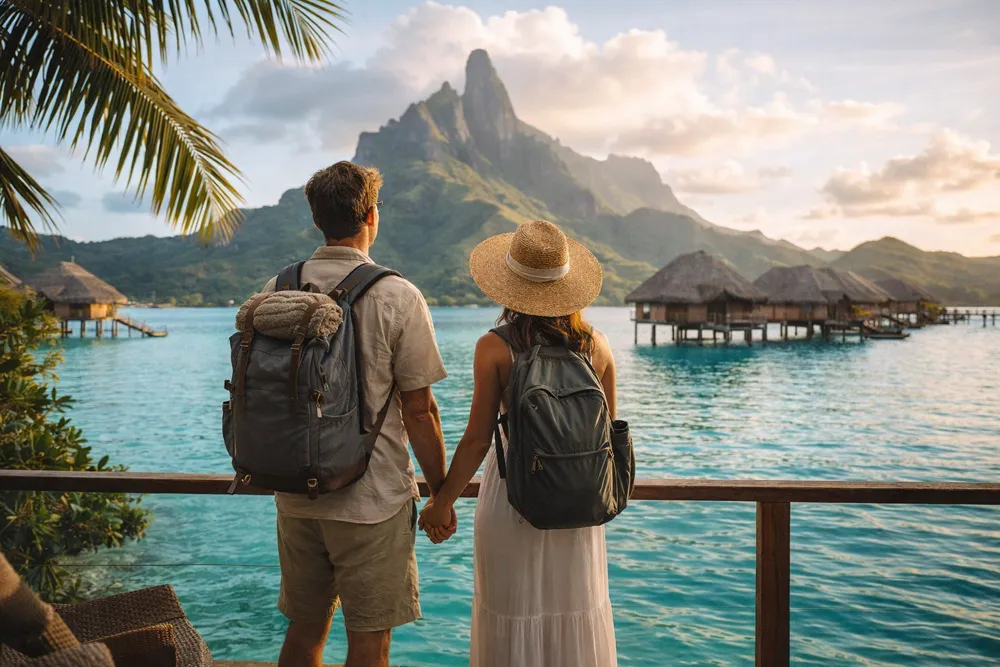
French Polynesia stands as a timeless beacon for travelers seeking unparalleled natural beauty, vibrant culture, and serene escape. This South Pacific gem, famed for its turquoise lagoons, volcanic peaks, and overwater bungalows, might seem like a distant dream. However, with strategic planning, this tropical paradise is remarkably accessible and within reach for discerning adventurers. Embarking on a journey to French Polynesia requires more than just booking a flight; it demands a thoughtful approach to logistics, timing, and island selection. By adopting a few key strategies, visitors can unlock the full potential of this breathtaking destination, ensuring a seamless and deeply enriching experience. From optimizing your travel route to discovering hidden island treasures, a well-planned itinerary transforms a mere vacation into a lifelong memory.
1. Streamlined Air Travel from North America
The journey to French Polynesia often begins with a direct flight from major hubs, primarily Los Angeles International Airport (LAX). Air Tahiti Nui, the national carrier, offers regular direct services to Faa’a International Airport (PPT) in Tahiti. These long-haul flights, typically around eight hours, are made more comfortable by the airline's modern fleet, which includes state-of-the-art Dreamliner aircraft. Passengers can expect a high standard of service, even in economy, with enhanced amenities and a focus on Tahitian hospitality. For those seeking an elevated experience, business class offers lie-flat seats and premium dining, ensuring a restful journey across the Pacific. The convenience of a non-stop connection significantly reduces travel fatigue, allowing visitors to arrive refreshed and ready to immerse themselves in island life.
2. The Gateway Island: Tahiti as Your First Port of Call
Upon arrival in French Polynesia, Tahiti, the largest island, serves as the natural entry point and an ideal starting base. Spending the initial few nights here allows travelers to acclimate to the time difference and the tropical environment. Tahiti itself offers a blend of bustling markets, cultural sites, and beautiful black sand beaches, providing a fascinating introduction to Polynesian life. This initial stay provides an opportunity to explore Papeete, the vibrant capital, or venture to scenic spots like the Arahurahu Marae or the Paul Gauguin Museum. Establishing a base on Tahiti before venturing to other islands simplifies logistics, allowing for a smoother transition into the rhythm of your multi-island adventure. It’s a chance to settle in, unwind, and prepare for further exploration without the immediate pressure of onward travel.
3. Beyond the Iconic: Diversifying Your Island Exploration
While destinations like Bora Bora and Moorea are undeniably captivating, French Polynesia is an archipelago of 118 islands and atolls, each offering unique charms. To truly appreciate the region's diversity, consider venturing beyond the most famous locales. Moorea, just a short ferry ride from Tahiti, consistently ranks among the world's top islands, boasting lush mountains and serene bays. Further afield, islands like Le Taha'a, known for its vanilla plantations and pearl farms, or Rangiroa, a diver's paradise within the Tuamotu Atolls, offer distinct experiences. Exploring lesser-known gems such as Maupiti, Fakarava, or Huahine provides a more authentic and less crowded perspective of Tahitian culture and natural beauty. The choice of islands should align with individual travel styles, whether seeking adventure, relaxation, or cultural immersion.
4. Unlocking Value with Curated Travel Packages
Navigating inter-island travel and securing accommodations across multiple islands can be complex and costly. Opting for a comprehensive travel package can significantly streamline planning and offer considerable savings. Many reputable tour operators, often in partnership with airlines like Air Tahiti Nui, provide curated packages that include international flights, inter-island transfers, and hotel stays. These packages often feature multi-island itineraries, catering to various interests, from diving excursions to romantic getaways. Some even offer all-inclusive options covering meals and activities, simplifying budgeting. By bundling these essential components, travelers can benefit from preferential rates and expert-designed itineraries, ensuring a seamless and stress-free journey through this intricate island nation.
5. Optimizing Your Visit: Embracing the Shoulder Season
Choosing the right time to visit French Polynesia can greatly enhance the overall experience. While the islands enjoy consistently warm temperatures year-round, ranging around 27°C (80°F), the shoulder season—typically from November to April—offers distinct advantages. During these months, visitors can often find more favorable rates on accommodation and flights compared to the peak season (May to October). Although the shoulder season may see slightly more rainfall, tropical showers are usually brief and quickly give way to sunshine, rarely impacting an entire day of activities. The benefits extend beyond cost savings, as fewer crowds mean a more intimate and tranquil experience at popular sites and resorts. This period allows for a more relaxed exploration, enabling travelers to truly soak in the serene beauty of French Polynesia without the hustle and bustle of high-season tourism.