Quick Snapshot
The Philippines remains one of the most captivating archipelagos on the planet, offering a blend of crystalline waters, emerald jungles, and a culture defined by warmth and resilience. As we move through 2026, the country continues to be a premier destination for those who want world-class natural beauty without the premium price tag of more commercialized tropical hubs. Exploring this nation of over 7,000 islands requires a strategic approach to logistics and spending. While it is entirely possible to navigate the region on a shoestring budget, the geographical layout demands careful planning to avoid unnecessary expenses.
Strategic Route Planning and Destination Choice
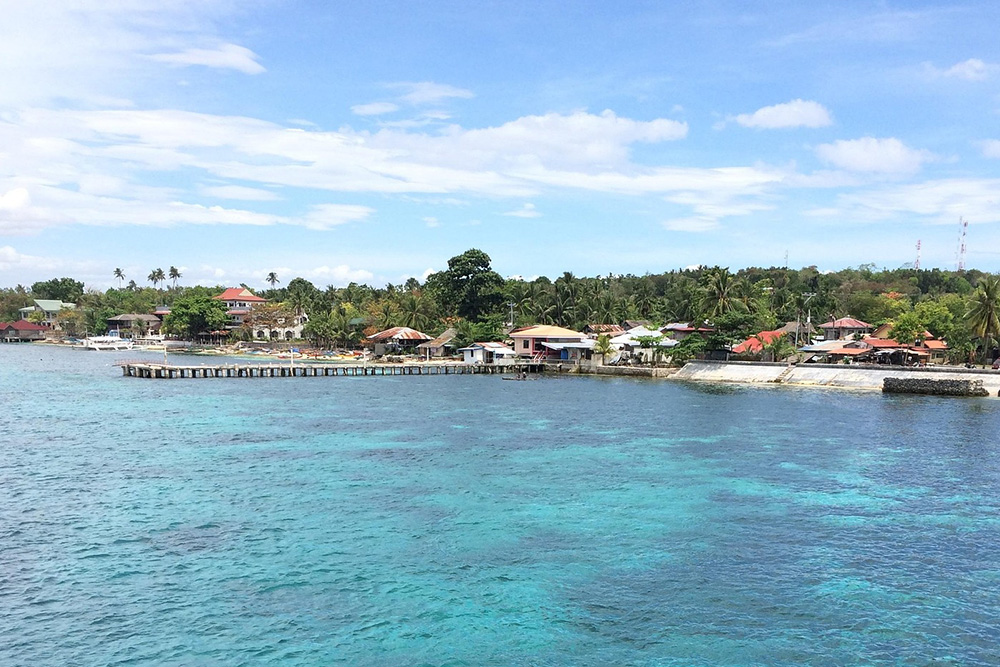
The secret to keeping costs low in the Philippines is choosing your islands wisely and staying longer in fewer places. While famous spots like El Nido and Boracay offer stunning vistas, they carry a "tourist tax" in the form of higher prices for food and lodging. To experience the authentic soul of the country while protecting your wallet, consider heading toward the "second-tier" destinations. Places like Siquijor, Port Barton, or the highlands of Sagada offer a more tranquil atmosphere and significantly lower daily costs. These locations allow you to immerse yourself in local traditions and pristine nature without the crowds or the inflated prices of the major hubs.
You Might Also Like
The Economics of Philippine Travel in 2026
For a traveler prioritizing economy, a daily budget of $35 to $45 USD allows for a comfortable yet modest experience. This typically covers a bed in a high-quality hostel or a basic private bamboo hut, three local meals, and a few chilled San Miguel beers at sunset.
Estimated Daily Costs for 2026: Shared Dormitory Bed: $8–$18 USD
Local Eatery (Carinderia) Meal: $2–$5 USD Inter-island Ferry: $7–$12 USD
Daily Scooter Rental: $6–$10 USD
Domestic Flight (Pre-booked): $45–$95 USD
Island Hopping Tour: $18–$30 USD By prioritizing local transport like Jeepneys or tricycles and eating at "hole-in-the-wall" establishments, you can easily pull your daily spend toward the lower end of the spectrum.
Navigating the Archipelago: Transport and Logistics
Transport is often the largest variable in a Philippine travel budget. While domestic flights are convenient, they are the fastest way to drain your funds. In 2026, the ferry network remains the backbone of budget travel, offering a scenic and affordable alternative for moving between island groups. In urban centers, avoid the temptation of private cars. Instead, use ride-sharing apps like Grab for transparent pricing, or embrace the local experience of a Jeepney. For those traveling in pairs or groups, renting a scooter is often the most cost-effective way to explore an island's perimeter, providing freedom that organized tours cannot match.
Sustainable and Local Living
Accommodation in the Philippines has evolved to include everything from high-end eco-resorts to minimalist beach shacks. To save money, look for locally-run guesthouses or "homestays." These options not only keep your costs down but also ensure your money goes directly into the local economy. Food is another area where you can save significantly. Filipino cuisine is diverse and flavorful. Seeking out "Carinderias"—small roadside eateries with pre-prepared dishes in pots—allows you to eat a filling, nutritious meal for just a few dollars. Staples like Adobo, Sinigang, and fresh tropical fruits are both affordable and essential to the cultural experience.
7 Essential Tips for the Budget-Conscious Traveler
- Bypass the Manila Congestion While Manila is the primary international gateway, it is often a drain on both time and money. The city is known for intense traffic and higher prices. If your itinerary allows, look for international flights directly into Cebu or Clark to begin your island adventure immediately.
- Master the Art of the Flight Sale Budget carriers like Cebu Pacific and AirAsia frequently run "Piso Fares" or seasonal promotions. By signing up for newsletters and booking several months in advance, you can secure cross-country flights for the price of a dinner.
- Prioritize Group Activities Many of the best experiences in the Philippines, such as private boat charters for snorkeling or mountain trekking guides, become significantly cheaper when the cost is split. Use hostel common rooms or social media groups to find fellow travelers to share these expenses.
- Carry Sufficient Cash Reserves Outside of major cities, the ATM infrastructure can be unreliable. It is common for machines in popular spots like Siargao or El Nido to run out of cash or experience technical outages. Always carry a "buffer" of Philippine Pesos or emergency USD to avoid being stranded without funds.
- Invest in a Quality Water Filter To avoid the recurring cost and environmental impact of bottled water, bring a reusable bottle with a built-in filtration system. This ensures you have access to safe drinking water anywhere, from remote jungles to rural villages, saving you money every single day.
- Pack Your Own Sun Protection Sunscreen is surprisingly expensive in the Philippines, often treated as a luxury import. Bringing a high-SPF, reef-safe supply from home will save you a significant amount of money and help protect the delicate marine ecosystems you are there to visit.
- Stay Digitally Independent Relying on hotel Wi-Fi can be frustrating, as connections are often sporadic. Purchase a local SIM card (Globe or Smart) upon arrival and use affordable data promos. This allows you to use navigation apps, book transport on the go, and find the best local food spots without needing a high-priced international roaming plan.
Conclusion: The Value of the Journey
The Philippines is a destination that rewards the patient and the curious. By stepping away from the luxury resorts and embracing the local way of life, you gain more than just financial savings; you gain a deeper connection to one of the most beautiful regions on Earth. In 2026, the islands remain an unbeatable value for those willing to trade a little convenience for a lot of adventure.