

Quick Snapshot
Turkey remains one of the world’s most multifaceted destinations, offering a seamless blend of ancient heritage and contemporary luxury. However, because the country spans such a vast geographical area—from the rolling steppes of Anatolia to the azure waters of the Mediterranean—the "perfect" time to visit depends entirely on your personal itinerary. Planning a trip in 2026 requires an understanding of regional microclimates and seasonal demand. Whether you are chasing the legendary hot air balloons of Cappadocia or seeking the quiet solitude of Ottoman palaces, timing your arrival is the most critical decision you will make.
The Ideal Balance: Exploring During the Shoulder Seasons
For the majority of travelers, the shoulder seasons of late spring (April to May) and early autumn (September to October) represent the pinnacle of the Turkish experience. During these windows, the weather is exceptionally temperate, making it comfortable to traverse the marble streets of Ephesus or the hilly neighborhoods of Istanbul without the oppressive heat of mid-summer. In the spring, the landscape is rejuvenated. Istanbul transforms during the annual Tulip Festival in April, where millions of blooms decorate the city's parks. This is also the premier time for hikers looking to tackle the Lycian Way, as the wildflowers are in full bloom and the coastal breezes are refreshing. Autumn offers a different but equally compelling charm. By September, the scorching heat of the southern coast begins to mellow, yet the seawater remains warm enough for swimming well into October. This period is also significant for culinary enthusiasts, as it marks the beginning of the olive and grape harvest seasons, particularly in the Aegean region and Cappadocia.
You Might Also Like
The Winter Escape: Budget Travel and Snowy Landscapes
While many associate Turkey with sun-drenched beaches, the period from December through February reveals a serene, poetic side of the country. This is the ultimate season for the "Value Traveler." With international tourism at its lowest ebb, luxury boutique hotels in Sultanahmet or cave suites in Goreme often offer significant discounts, sometimes up to 60% off peak rates. Winter in Turkey is far from dormant. The interior of the country, especially Central Anatolia, often sees heavy snowfall, turning the "fairy chimneys" of Cappadocia into a surreal white wonderland. For those seeking a unique cultural experience, December marks the Mevlana Festival in Konya, a deeply spiritual event featuring the Whirling Dervishes. Furthermore, Turkey’s growing reputation as a winter sports destination is worth noting. High-altitude resorts like Erciyes and Palandoken offer world-class skiing facilities that serve as a budget-friendly alternative to the European Alps. If you prefer urban exploration, the misty atmosphere of the Bosphorus in January provides a nostalgic and quiet backdrop that most summer tourists never get to witness.

The Coastal High Season: Sun, Sea, and Sailing
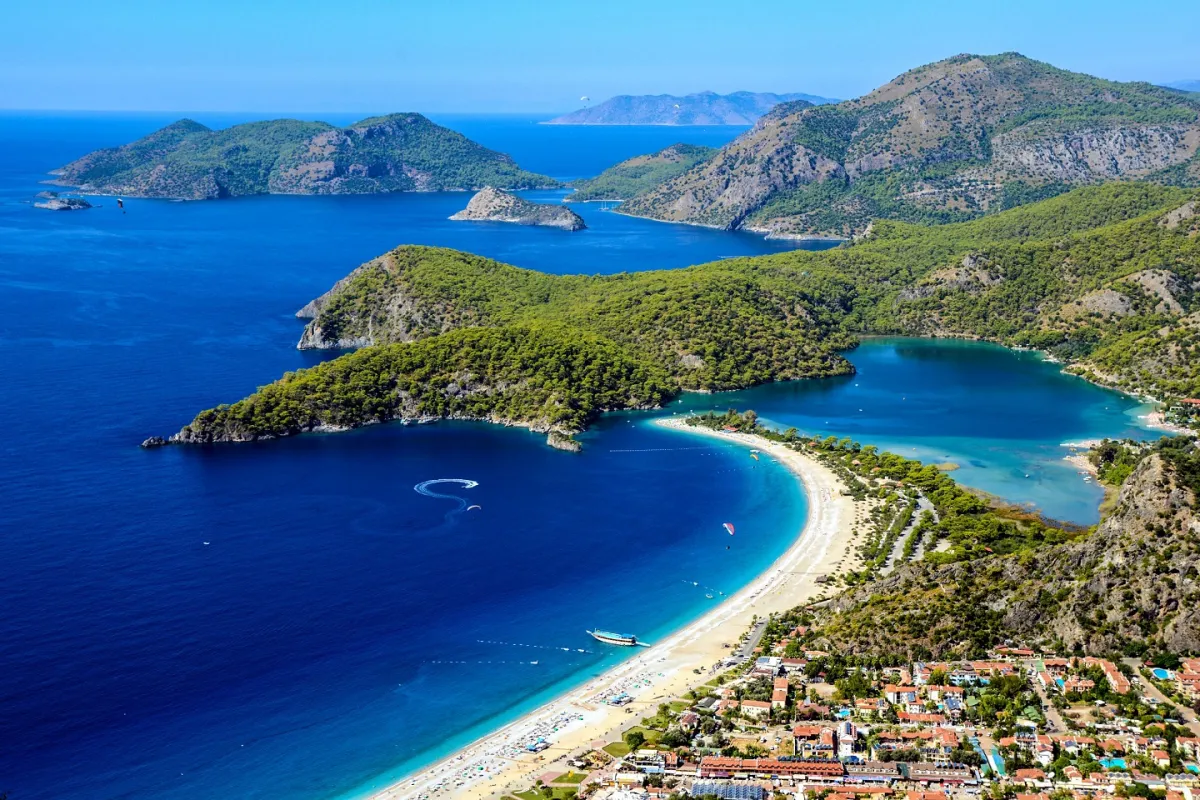
If your primary goal is to experience the "Turquoise Coast" in its full glory, the summer months of June through August are the definitive choice. This is the season of the "Blue Cruise," where traditional wooden gulets sail between secluded bays in Fethiye, Kas, and Marmaris. The Mediterranean and Aegean lifestyles are at their most vibrant during this time, with beach clubs and waterfront restaurants operating at full capacity. However, summer travel requires a specific strategy. The heat in southern Turkey can be intense, often exceeding 35°C (95°F). Travelers should plan their visits to archaeological sites like Perge or Aspendos for the early morning hours to avoid the midday sun.
- Coastal Vibrancy: The resort towns are buzzing with energy, international festivals, and nightlife.
- Istanbul Advantage: Interestingly, while the coasts are packed, Istanbul can sometimes feel slightly less crowded as locals head south for their own vacations.
- Logistics: In 2026, it is highly recommended to book coastal accommodations and domestic flights at least four to six months in advance to secure the best locations.
Ultimately, Turkey does not have a "bad" time to visit; it only has different moods. By aligning your interests—whether they be skiing, sailing, or historical wandering—with the right seasonal window, you can experience the full depth of this transcontinental gem.
FAQ
When is the best time to visit Turkey in 2026 for pleasant weather?
The shoulder seasons of late spring (April to May) and early autumn (September to October) are considered the best times to visit. During these periods, the weather is temperate, making it ideal for exploring outdoor historical sites like Ephesus or the hilly neighborhoods of Istanbul.
Is winter a good time for budget-conscious travelers to visit Turkey?
Yes, the period from December through February is perfect for the "Value Traveler." International tourism is at its lowest, and luxury boutique hotels often offer significant discounts of up to 60% off peak rates.
What can I expect when visiting Istanbul in the spring?
In April, Istanbul undergoes a beautiful transformation during the annual Tulip Festival, with millions of flowers blooming in city parks. The weather is also ideal for hiking the Lycian Way and enjoying refreshing coastal breezes.
What is the best way to experience the Turkish coast in the summer?
The summer months of June through August are the peak time for the "Blue Cruise." This involves sailing traditional wooden gulets between secluded bays in Fethiye, Kas, and Marmaris, though travelers should be prepared for temperatures exceeding 35°C (95°F).
When should I book my 2026 trip to the Turkish coast?
To secure the best locations and rates for the 2026 high season, it is highly recommended to book coastal accommodations and domestic flights at least four to six months in advance.