- 1. The Ethereal Heights of Cappadocia
- 2. The Golden Heritage of Mardin
- 3. The Coastal Elegance of Antalya
- 4. The Thermal Wonders of Pamukkale
- 5. The Classical Grandeur of Ephesus
- 6. The Bohemian Spirit of Kas
- 7. The Natural Splendor of Fethiye
- 8. The Modern Aegean Pulse of Izmir
- 9. The Spiritual Heart of Konya
Turkey remains a cornerstone of global travel, acting as a bridge where the traditions of the East seamlessly blend with the modernity of the West. While Istanbul often captures the initial spotlight, the true depth of the country lies within its diverse provinces. From the sun-drenched Mediterranean coast to the high plateaus of Anatolia, the Anatolian peninsula offers a wealth of experiences that extend far beyond its most famous city. As we look toward travel trends in 2026, the focus has shifted toward authentic immersion and slow travel. Travelers are increasingly seeking out the historical echoes of the Silk Road, the surreal geological formations of the interior, and the pristine waters of the southern shorelines. This guide explores nine exceptional destinations that define the multifaceted spirit of Turkey.
1. The Ethereal Heights of Cappadocia
Located in the heart of Central Anatolia, Cappadocia is a destination that defies conventional geography. Known for its "fairy chimneys" and volcanic landscapes, it has become a global icon for hot air ballooning. In 2026, the region continues to evolve as a hub for luxury cave dwellings, where ancient stone structures are transformed into high-end boutique accommodations. To truly experience the magic of this region, one must venture into the Rose Valley at daybreak. Beyond the visual spectacle of the balloons, the underground cities like Kaymakli offer a profound look into the ingenuity of early Christian civilizations who sought refuge beneath the earth.
2. The Golden Heritage of Mardin
Perched on a hilltop overlooking the Mesopotamian plains, Mardin is a living museum of golden-hued limestone architecture. This city in Southeastern Anatolia is a mosaic of cultural influences, including Roman, Byzantine, and Ottoman legacies. Its narrow, winding streets are designed for exploration on foot, leading visitors past ornate doorways and historic madrasas. The culinary scene here is equally deep, characterized by rich spices and traditional brewing methods. Sampling dibek coffee, flavored with cardamom, or the unique pistachio-based menengic, provides a sensory link to the city’s ancient trade route history.
3. The Coastal Elegance of Antalya
Often referred to as the gateway to the Turkish Riviera, Antalya offers a sophisticated blend of urban life and ancient history. The historic quarter, known as Kaleiçi, features restored Ottoman mansions and the monumental Hadrian’s Gate. Unlike other resort hubs, Antalya maintains a year-round vibrancy that appeals to both history enthusiasts and sun-seekers. In the surrounding areas, the Düden Waterfalls plunge directly into the sea, providing a dramatic natural backdrop. For those interested in the 2026 trend of "archaeo-tourism," the nearby theater of Aspendos remains one of the best-preserved Roman structures in existence, still hosting performances today.
4. The Thermal Wonders of Pamukkale
Pamukkale, which translates to "Cotton Castle," is a natural phenomenon consisting of brilliant white travertine terraces. These calcium-rich thermal springs have been used as a spa destination since the 2nd century BC. Walking barefoot across the terraces is a requirement to preserve the delicate mineral deposits, offering a tactile connection to the landscape. Adjacent to these white cliffs lies the ancient city of Hierapolis. This UNESCO World Heritage site was once a thriving center of art and philosophy. Visitors can swim among fallen Roman columns in the Antique Pool, where the warm, mineral-rich waters continue to flow just as they did for the emperors of the past.

5. The Classical Grandeur of Ephesus
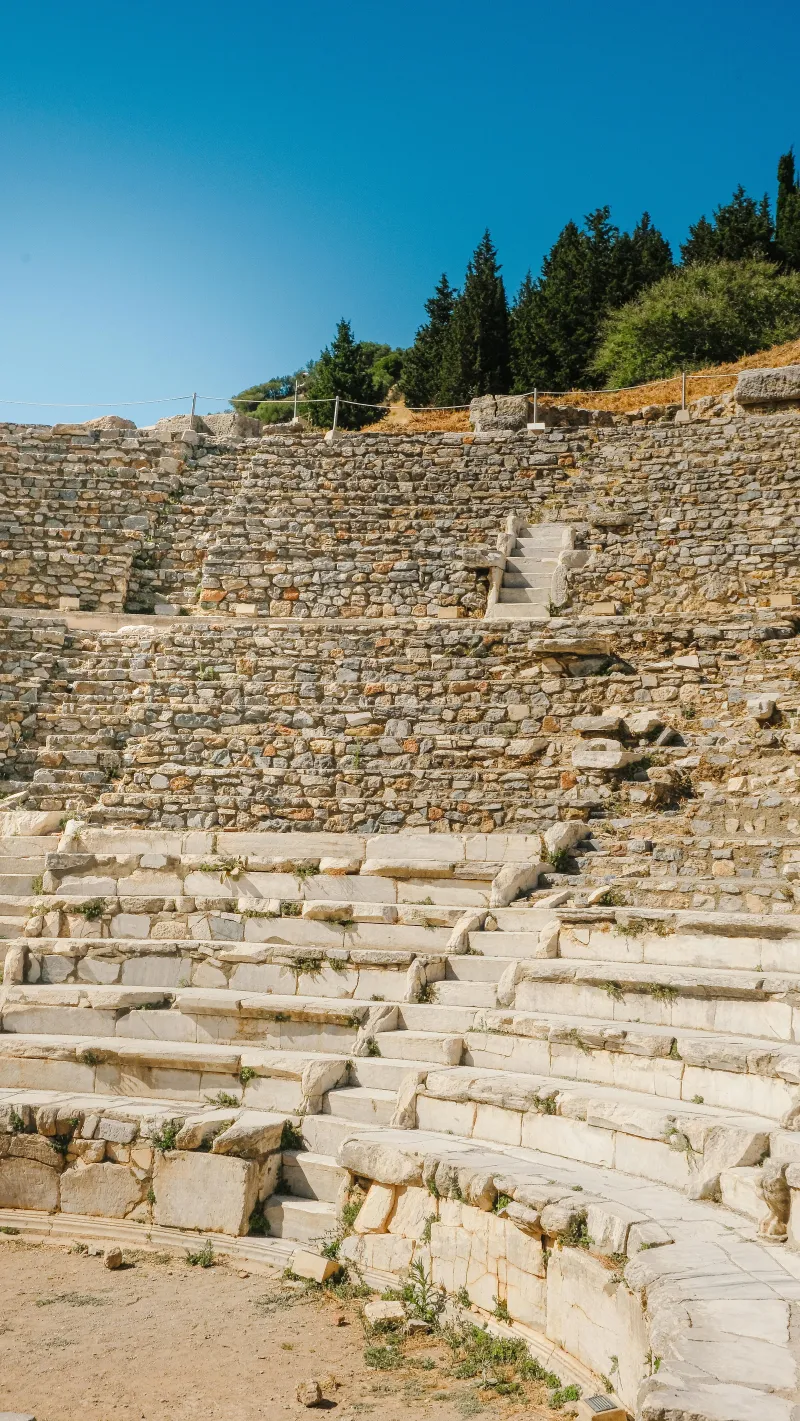
Ephesus stands as one of the most significant archaeological sites in the Mediterranean basin. Once a pivotal Roman capital and a bustling port city, it was home to the Temple of Artemis, one of the Seven Wonders of the Ancient World. Walking down the marble-paved Curetes Way feels like stepping back into the height of the Roman Empire. The Library of Celsus remains the architectural highlight, its reconstructed facade serving as a testament to ancient scholarship. Recent excavations in 2026 have revealed even more detail within the Terrace Houses, offering an intimate look at the daily lives and intricate mosaics of the city’s elite residents.
6. The Bohemian Spirit of Kas
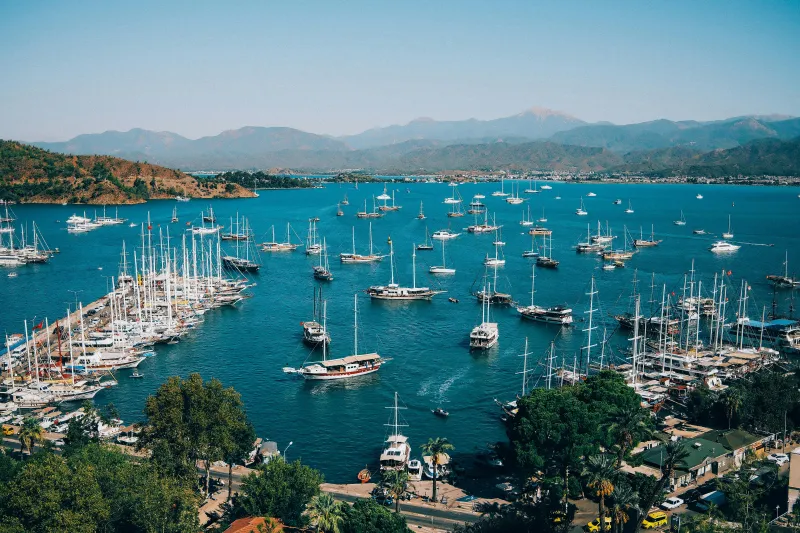
For those looking to escape the traditional resort crowds, Kas offers a more laid-back, bohemian atmosphere. This seaside town is nestled against steep cliffs and is widely regarded as Turkey’s premier destination for scuba diving. The crystal-clear waters of the Mediterranean here hide shipwrecks and vibrant marine life, making it an underwater playground. The town itself is draped in bougainvillea, with small boutiques and waterfront restaurants that emphasize fresh, local ingredients. It serves as an ideal base for boat trips to the sunken city of Kekova, where ruins of an ancient Lycian settlement are visible just beneath the turquoise surface.
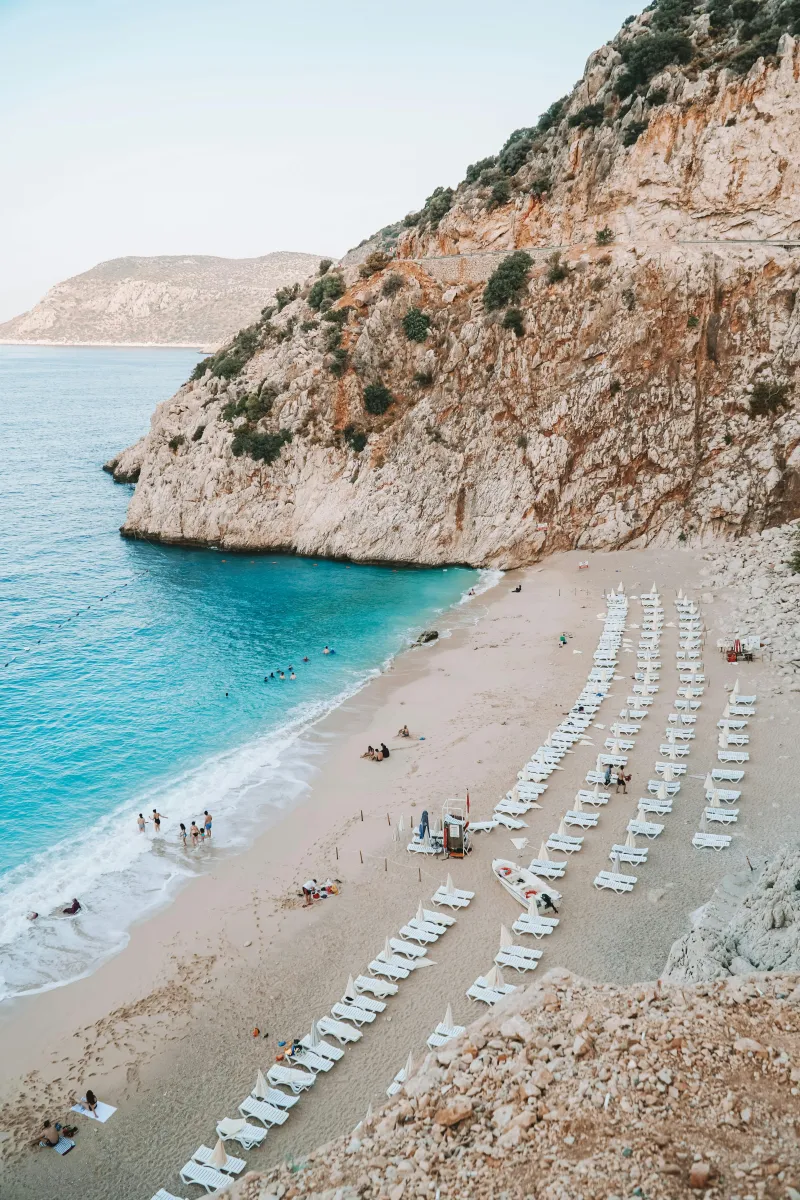
7. The Natural Splendor of Fethiye
Fethiye is a destination where the green of the pine forests meets the deep blue of the sea. It is perhaps most famous for Ölüdeniz, the Blue Lagoon, which consistently ranks among the most beautiful beaches globally. The area is also a world-class site for paragliding, with pilots launching from Babadağ Mountain to glide over the stunning coastline. Beyond the beaches, Fethiye is rich in Lycian history. The Amyntas Rock Tombs, carved directly into the cliffs overlooking the town, provide a hauntingly beautiful reminder of the civilizations that inhabited this coast thousands of years ago.
8. The Modern Aegean Pulse of Izmir
As Turkey’s third-largest city, Izmir is often described as the country’s most liberal and Western-facing urban center. It lacks the frantic pace of Istanbul, offering instead a relaxed Aegean lifestyle focused on waterfront promenades and sidewalk cafes. The Kordon, a seaside walkway, is the heart of social life, especially during the golden hour of sunset. Izmir also serves as a sophisticated culinary hub. The city’s food culture is a blend of Mediterranean health and Ottoman richness. Exploring the historic Kemeraltı Bazaar allows travelers to discover hidden courtyards and traditional artisans, providing a more authentic urban experience than typical tourist circuits.
9. The Spiritual Heart of Konya
Konya offers a starkly different experience, serving as the spiritual center of the country. It is most famous as the home of the Sufi mystic Rumi and the headquarters of the Whirling Dervishes. The Mevlana Museum, which houses Rumi’s tomb, is a site of pilgrimage and deep reflection for visitors from around the world. The city is a bastion of Seljuk architecture, characterized by intricate stonework and turquoise tiles. Attending a Sema ceremony at the Mevlana Cultural Center is an essential experience, offering a hypnotic and profound glimpse into the spiritual practices that have defined this region for centuries.