- Tailoring Your Mobile Home: Selecting the Ideal RV
- Powering Your Journey: Sustainable Energy Solutions
- Staying Connected on the Go: Internet for RVers
- Navigating the Wilderness: Finding Your Perfect Campsite
- Strategic Urban Overnighting
- Optimizing Your RV Budget: Fuel and Beyond
- Embracing the Scenic Route: Beyond the Interstates
- Elevating the Experience: Occasional Indulgences
- Essential Safeguards for Your RV Adventure
- Embarking on Your RV Journey: A Final Word
The allure of the open road has never been stronger. In an era where flexibility and self-sufficiency are highly prized, recreational vehicle (RV) travel stands out as an ideal way to explore the world around us. Whether you're seeking remote wilderness, vibrant cityscapes, or a blend of both, an RV offers a unique blend of freedom and comfort, allowing you to carry your home with you wherever you roam. This guide delves into the essential considerations for planning a successful RV adventure in 2026, embracing modern advancements and timeless wisdom.
Tailoring Your Mobile Home: Selecting the Ideal RV
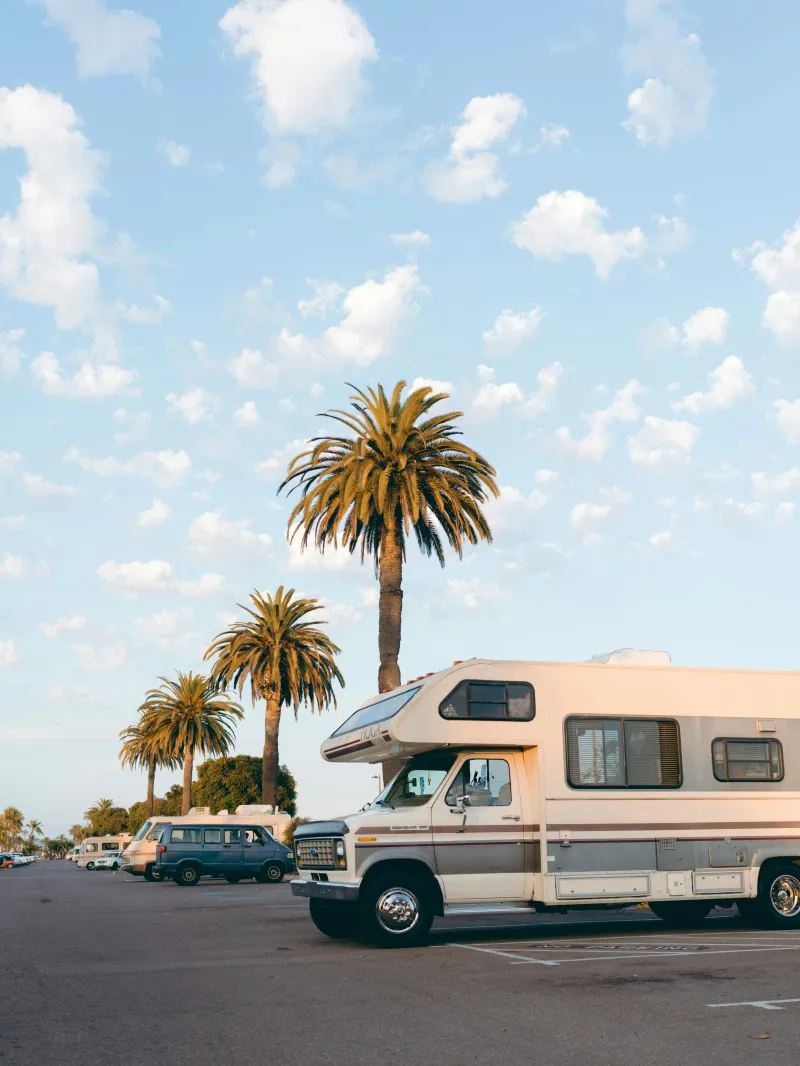
Choosing the right RV is foundational to your travel experience. While the grand, luxurious motorhomes might catch the eye, and compact campervans offer ultimate stealth, a mid-sized RV often strikes the perfect balance for diverse travel needs. Vehicles typically ranging from 19 to 22 feet provide ample living space without sacrificing maneuverability. This sweet spot allows for comfortable amenities while still being agile enough for varied terrain and parking situations. A well-chosen RV in this size range offers several distinct advantages:
- Enhanced Accessibility: Navigate winding backroads, compact national park loops, and ferry crossings with greater ease compared to larger rigs.
- Practical Parking Solutions: Fit into standard parking spaces in towns and cities, simplifying errands and urban exploration.
- Improved Fuel Efficiency: Generally achieve better mileage than their larger counterparts, contributing to a more sustainable and budget-friendly journey.
- Integrated Conveniences: Enjoy essential comforts like a private bathroom and shower, reducing reliance on public facilities and enhancing autonomy.
While smaller vans excel in agility, the absence of an onboard bathroom can present logistical challenges, particularly in remote areas or urban settings where public facilities are scarce. Conversely, excessively large RVs might limit access to certain scenic routes or rugged campsites, constraining your adventure options.
Powering Your Journey: Sustainable Energy Solutions
Reliable power is the lifeblood of any RV expedition, fueling everything from interior lighting to essential electronics. Modern RVs come equipped with a house battery system, but knowing how to keep it charged is crucial for extended trips, especially off-grid. Consider these key strategies for maintaining your power supply:
- Solar Integration: Investing in a robust solar panel system is arguably the most sustainable and liberating option for long-term RVers. Flexible monocrystalline panels mounted on the roof, paired with a charge controller and a high-capacity lithium-ion deep cycle battery, can provide continuous, emission-free power. While the initial setup cost can be significant, the long-term savings and environmental benefits are substantial.
- Shore Power Hookups: For consistent and unlimited power, plugging into an electrical pedestal at a campground or RV park remains the most straightforward method. This is ideal for longer stays in developed areas or when you need to run high-draw appliances.
- Vehicle Alternator Charging: Your RV's engine alternator can charge the house battery while driving. For travelers covering significant distances daily, this might be sufficient for basic power needs. However, it's less practical for stationary boondocking.
For those just starting, a portable solar panel can offer a cost-effective introduction to solar power, providing enough charge for smaller devices. However, for a truly self-sufficient mobile lifestyle, a professionally installed or DIY integrated solar system is a game-changer.
Staying Connected on the Go: Internet for RVers
In 2026, staying connected while traversing remote landscapes is more achievable than ever. For many, a smartphone remains the most versatile tool for internet access on the road, effectively serving as a mobile hotspot for laptops and other devices. Choosing a cellular carrier with extensive nationwide coverage is paramount to ensure reliable reception, particularly when venturing off the beaten path. While cellular data plans offer significant allowances, they are not limitless. Savvy RVers employ strategies to manage their data consumption, such as utilizing apps to monitor usage and setting data limits on individual devices. For bandwidth-intensive tasks like large downloads or video uploads, leveraging free Wi-Fi at public libraries, cafes, or even fast-food establishments can be an effective supplement. Libraries, in particular, often provide not just internet access but also a quiet, inspiring environment for work or relaxation.
Navigating the Wilderness: Finding Your Perfect Campsite
The quest for the ideal overnight spot is a core part of the RV experience. While traditional campgrounds offer amenities, the thrill of discovering free, scenic locations—often referred to as boondocking or dispersed camping—is unmatched. Vast tracts of public lands across North America, including national forests and Bureau of Land Management (BLM) areas, welcome self-contained RVers to camp without charge. To locate these hidden gems and more traditional sites, a combination of digital tools and foresight is invaluable:
- Dedicated Camping Apps: Platforms like iOverlander provide a comprehensive database of user-submitted campsites, including reviews, photos, and critical details on amenities and accessibility for both free and paid sites.
- Public Land Resources: Websites and apps from government agencies, such as the National Forest Service or BLM, offer maps and information specifically for dispersed camping areas.
- Private Land Aggregators: Services like HipCamp curate unique camping experiences on private properties, from secluded farmsteads to scenic ranches, offering an alternative to traditional campgrounds.
- Membership Networks: Consider joining networks like Harvest Hosts, which allows self-contained RVers to stay overnight for free at wineries, breweries, farms, and attractions, often in exchange for supporting the local business.
While advance booking is wise for popular destinations or specific dates, cultivating a flexible mindset and relying on these resources often leads to serendipitous discoveries of truly spectacular sites.
Strategic Urban Overnighting
Boondocking isn't exclusive to nature; it's also possible to find safe, legal overnight parking in urban environments. This "urban boondocking" allows RVers to explore cities without the cost or commitment of hotels. Success hinges on discretion and adherence to local regulations. Key principles for respectful urban overnighting include:
- Strict Adherence to Signage: Always obey street signs, parking restrictions, and meter requirements. If "no overnight parking" is posted, move on. Clarity in signage is paramount; ambiguity should be a cue to find an alternative spot.
- Maintain a Low Profile: Avoid drawing unnecessary attention. Keep lights and noise to a minimum, and refrain from setting up outdoor living spaces. The goal is to blend in as much as possible with parked vehicles.
By being smart and respectful, cities can become an extension of your mobile campground.
Optimizing Your RV Budget: Fuel and Beyond
Fuel will likely be one of your largest expenses on an RV trip. Even with fluctuating prices, smart strategies can significantly reduce costs over time. Beyond fuel, careful planning can help manage overall travel expenditures. Consider these smart strategies for fuel efficiency and general savings:
- Leverage Fuel Price Apps: Tools like GasBuddy provide real-time fuel prices along your route, enabling you to locate the most affordable stations and plan stops strategically. Sometimes, driving a few extra miles or crossing a state line can yield substantial savings per gallon.
- Maintain Optimal Tire Pressure: Properly inflated tires are crucial for both safety and fuel economy. Regularly checking and adjusting your RV's tire pressure to the manufacturer's recommended PSI can lead to noticeable improvements in mileage.
- Adopt a Conservative Driving Style: Driving at or below 60 mph significantly impacts fuel consumption. Smooth acceleration and gradual braking, combined with maintaining a steady speed, are far more efficient than aggressive driving. This also enhances safety and reduces wear and tear on your vehicle.
Beyond fuel, look for discounts through RV club memberships, utilize loyalty programs at grocery stores for fuel points, and prioritize cooking your own meals in your RV to save on dining expenses.
Embracing the Scenic Route: Beyond the Interstates
While interstates offer speed, the true charm of RV travel often lies on the less-traveled paths. Deliberately avoiding highways on your GPS will unveil a country rich in character, history, and natural beauty. These older road networks often follow the contours of the land, connecting quaint towns and leading to unexpected discoveries. America's Byways, a curated collection of roads recognized for their natural, cultural, historical, recreational, or archaeological significance, provide an excellent framework for exploring. These routes are designed to be destinations in themselves, offering a deeper engagement with the landscape. Supplementing digital navigation with a physical map or a dedicated guide to scenic drives, like the National Geographic Guide to Scenic Highways and Byways, is highly recommended. These resources often highlight points of interest, local eateries, and short hikes that enhance the journey far beyond what a highway offers.
Elevating the Experience: Occasional Indulgences
To prevent burnout from constant small-space living and DIY problem-solving, integrate occasional breaks that offer a different kind of outdoor experience. "Glamping"—glamorous camping—provides a refreshing contrast, allowing you to enjoy nature with enhanced comfort and convenience. Booking a night or two in a beautifully designed treehouse, a cozy yurt, a stylish dome, or a luxurious safari tent can be a rejuvenating treat. These accommodations typically feature plush beds, hot showers, and often include services that allow you to truly relax and step away from the daily responsibilities of RV life. Such planned indulgences serve as a fantastic reset, reminding you of the joys of outdoor exploration while offering a pampered respite, ensuring you return to your RV adventures with renewed energy and enthusiasm.
Essential Safeguards for Your RV Adventure
Embarking on an RV journey, especially to remote areas, inherently involves a degree of unpredictability. Being prepared for unforeseen circumstances is paramount for peace of mind and protection. Consider these crucial protective measures for your RV travel:
- Specialized RV Insurance: Your RV is more than just a vehicle; it's a mobile home. Standard auto insurance may not fully cover its unique aspects. Specialized RV insurance plans offer comprehensive coverage tailored to both the vehicle and its living components, often at competitive rates.
- Robust Roadside Assistance: Breakdowns can happen anywhere, and towing an RV requires specialized equipment. A dedicated RV roadside assistance plan, such as those offered by Good Sam or expanded AAA memberships, ensures you have support for tire blowouts, engine trouble, fuel delivery, or lockouts, providing essential backup when you're far from home.
While not exhaustive, securing these fundamental protections forms a strong safety net, allowing you to focus on the joy of discovery rather than worrying about potential mishaps.
Embarking on Your RV Journey: A Final Word
RV travel in 2026 offers an unparalleled opportunity for exploration, self-discovery, and connection with both nature and diverse communities. From the meticulous planning of your mobile base to embracing the spontaneity of the road, each aspect contributes to a rich and rewarding experience. While the initial learning curve might seem steep, a vibrant online community of RVers and van lifers stands ready to share insights and support. The freedom to chart your own course, with the comforts of home always in tow, makes the RV lifestyle an increasingly appealing and accessible adventure.