Quick Snapshot
Located in the spiritual heart of Australia’s Northern Territory, Uluru stands as a massive monolith of arkosic sandstone, reaching higher than many of the world’s most famous skyscrapers. As of 2026, the experience of visiting this UNESCO World Heritage site has evolved from simple sightseeing into a deep, immersive journey into indigenous culture and ancient geography. Planning a trip to the Red Centre requires more than just a flight booking; it demands an understanding of the vast distances and the cultural weight this landscape carries. Whether you are a first-time visitor or returning to see the desert’s transformation, a strategic approach ensures you capture the true essence of the Outback.
Logistics and the Reality of Desert Distances
The most critical factor to grasp when planning your journey is the sheer scale of the Australian Outback. Many travelers fly into Alice Springs, assuming it is a short hop to the rock, only to realize it is nearly a 450-kilometer drive, typically taking around five to six hours. Even once you arrive at the Ayers Rock Resort in Yulara, the distances remain significant. The resort is situated approximately 20 kilometers from the base of Uluru, meaning every sunrise or sunset excursion involves a 40-kilometer round trip. To truly appreciate the region without feeling rushed, a minimum stay of three days is highly recommended. This timeframe allows for the necessary travel between sites like Kata Tjuta and the various viewing platforms.
The Ethics of Engagement: Respecting Anangu Land
Uluru is a living cultural landscape owned by the Anangu people, who have inhabited the region for tens of thousands of years. Since the permanent closure of the Uluru climb in 2019, the focus has shifted entirely toward respectful, ground-level exploration. Visitors are guests on sacred land, and following local protocols is essential for a responsible trip. Be mindful of sensitive areas where photography is strictly prohibited. These sites often hold deep religious significance in "Tjukurpa" (Aboriginal law), and capturing them on camera is considered a violation of traditional customs. The Cultural Centre serves as an excellent starting point, providing the necessary context to understand the stories and history that define the formations you will encounter.
Strategic Itinerary Planning: Sunrise and Beyond
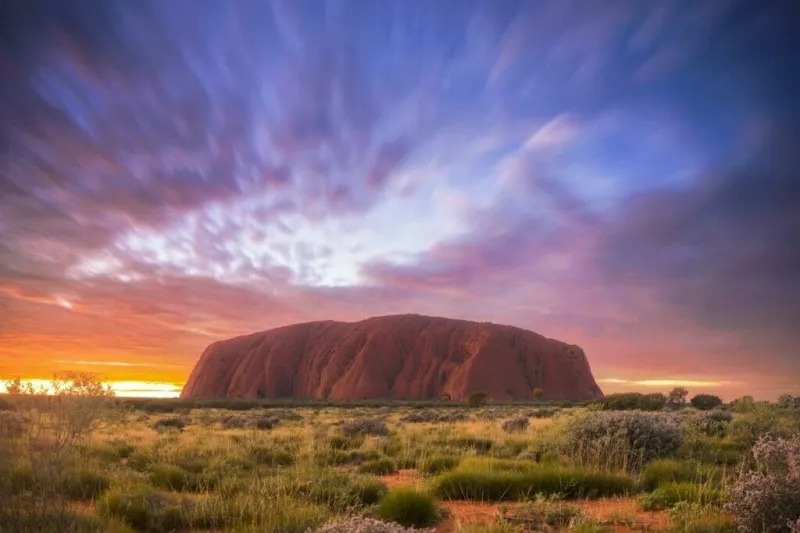
The desert landscape is defined by its light. To see Uluru only at midday is to miss its most spectacular transformations. A well-structured 72-hour itinerary should prioritize the "golden hours" of dawn and dusk, as the sandstone shifts from deep violets and ochres to a brilliant, glowing orange. By dedicating three days to the park, you can balance your time between the monolith itself and the neighboring domes of Kata Tjuta. This schedule also provides a buffer for the intense desert heat, allowing you to complete physical activities in the early morning and retreat to shade during the peak UV hours of the afternoon.
5 Essential Ways to Experience the Red Centre
To make the most of your visit, consider these five distinct methods of exploration that offer different perspectives on the landscape:
- The Mala Base Walk: This 10.6-kilometer circuit around the base of Uluru is mostly flat and provides an up-close look at the textures, caves, and ancient rock art. It is best started at first light to avoid the midday sun.
- The Valley of the Winds Trek: Located at Kata Tjuta, this challenging hike takes you between the towering conglomerate domes. It offers a more rugged experience compared to the base walk of Uluru and provides breathtaking views of the desert plains.
- The Field of Light Installation: This massive outdoor art installation by Bruce Munro features thousands of solar-powered stems that light up the desert floor at night. It creates a stunning contrast between modern art and the ancient silhouette of the rock.
- Guided Cultural Tours: Walking with an Anangu guide or a specialized ranger allows you to hear the creation stories associated with the landscape. These insights transform the "rock" from a geological feature into a storied cultural map.
- Aerial Scenic Flights: To truly comprehend the scale of the Amadeus Basin, a helicopter or fixed-wing flight is unparalleled. From the air, you can see the alignment of Uluru and Kata Tjuta, revealing the geological history of the region in a single glance.
Practical Preparations for the Outback
The environment in Central Australia is unforgiving. High-quality sun protection, wide-brimmed hats, and a minimum of three liters of water per person are non-negotiable for any outdoor activity. Even in 2026, the desert remains a place where nature dictates the schedule. Booking your accommodation and specialized tours well in advance is vital, as the limited capacity of Yulara often leads to sell-outs during the peak cooler months from May to September. By preparing for the logistics and honoring the cultural heritage of the Anangu, your journey to Uluru will be a profound encounter with one of the most significant places on Earth.